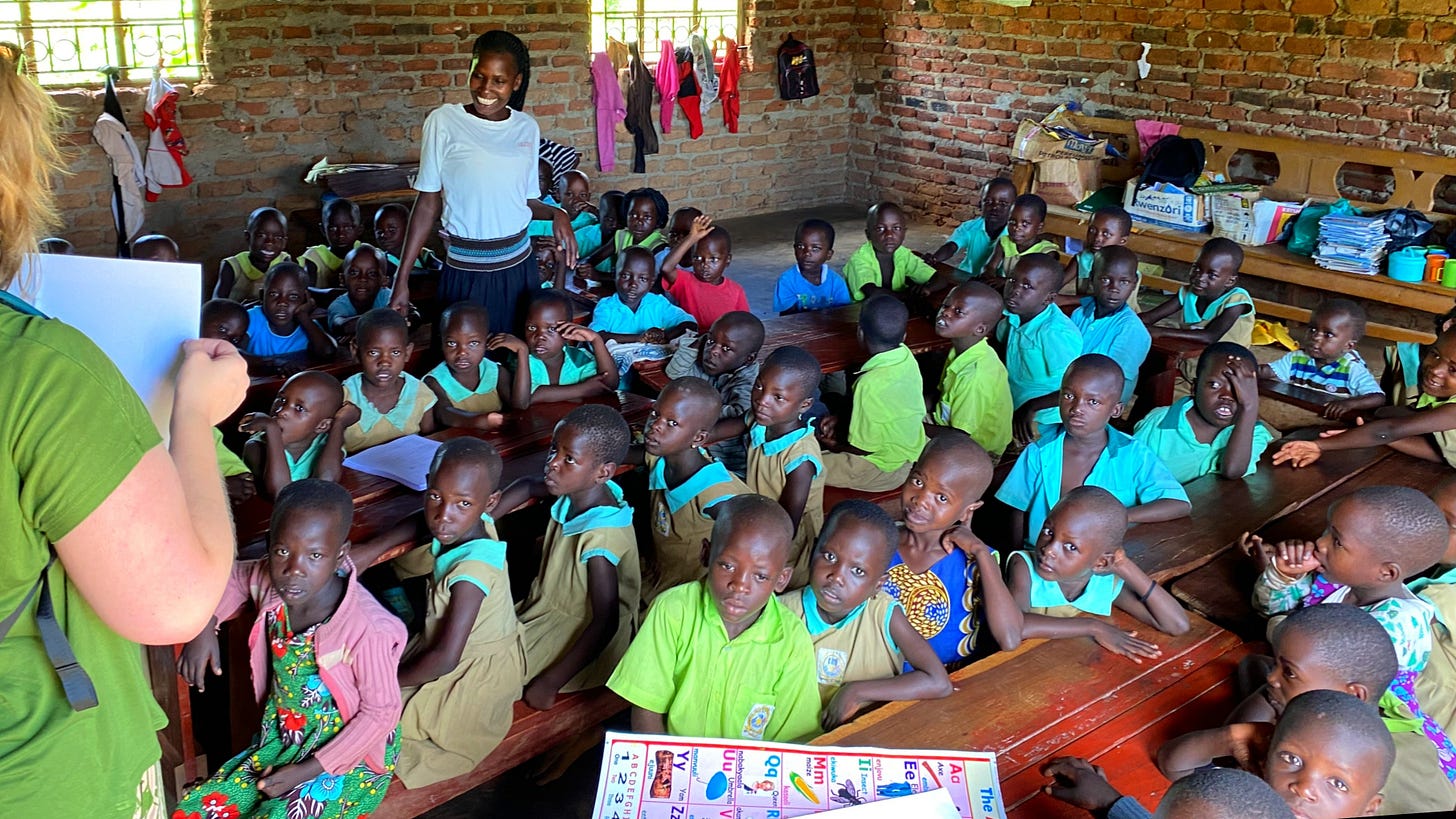
I’m not new to international travel or to abject poverty. I have travelled to Cambodia, Thailand and the Philippines. But that was 15 years ago. Now I’m older, wiser and I have more resources and maybe more ambition. In October 2023 I visited Uganda, and the continent of Africa, for the first time.
This time I saw poverty, but I didn’t just see poverty, I saw also opportunity.
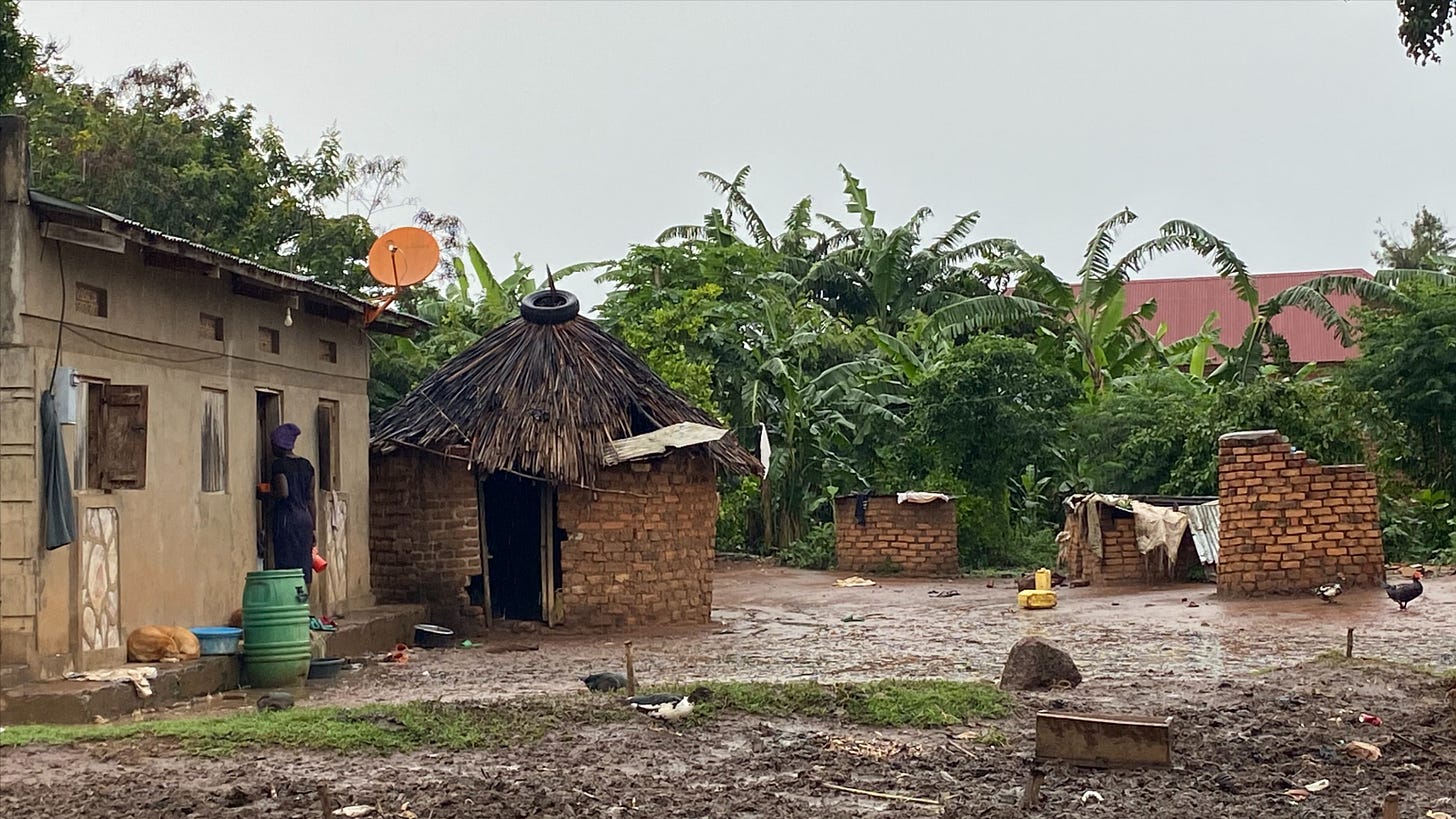
These people do not need to be poor, at least not so poor. What I mean here is materially poor. They do not have a lot of belongings. They often just have the clothes on their back and a mud shelter.
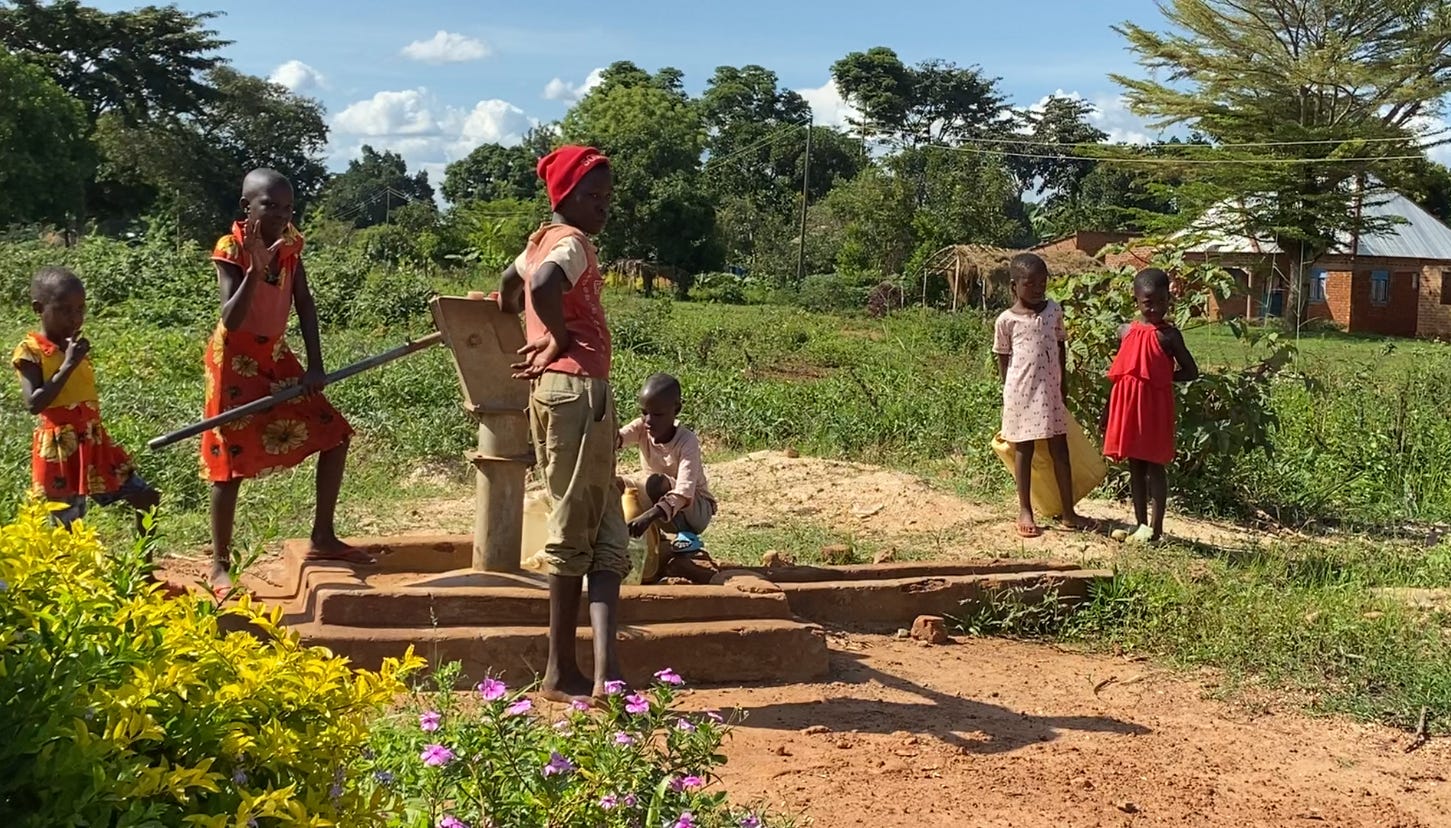
Some charities had been to the villages before us and are doing great work, we saw villages with wells and children benefitting from those wells.
This time, as I visited Uganda and Africa for the first time, I thought of the famous phrase:
Give a man a fish and feed him for a day; teach a man to fish and feed him for a lifetime.
These people have enough to survive but not enough to thrive.
The thing with teaching a man to fish is that you are probably not just teaching this one man and you are not just feeding this one man. He is likely feeding his whole family and raising up children. So by teaching one man, you are teaching the generations that come after him. No longer will any of that family need someone to visit them and teach them to fish. That is a real Legacy.
Obviously, this doesn’t apply to fish, but to everything that can be taught with some basic tools and then immediately applied productively. This means:
- Agriculture
- Carpentry
- Metalwork
- Sewing
- Business
- And more…
Communities in the villages are far poorer than the communities in towns and of course in cities. This leads to migration away from the villages and away from families.
Towns and Cities are where the best-educated people are and where the Government invests money in infrastructure. So you find things like hospitals (or clinics) and paved streets and brick buildings.
However, I believe with the rights skills, the villages can prosper too. There are a few basics that I think they need to at least appear more prosperous:
- Fresh water in the home
- A larger home with solid construction and a water-tight roof
- At least 1 ceiling light
- A separate clean area for food preparation
- A separate sanitary, toilet area
The questions I have are is this possible for a village dweller to achieve using just some education and effort?
I believe it is, or it can be. Fresh water can be caught from the rain and stored, or it can be brought from a well. Catching the water is easy, but safely storing and purifying the water is more difficult and potentially costly. You’d have to ensure enough was stored to last throughout the dry period also. I want to explore the costs associated with this approach and what can be achieved with only cheap tools and locally available materials.
A well on the other hand is even more costly to dig but has very little maintenance costs. I want to understand these costs and the limit of what can be done through labour and cheap tools and what requires expensive machinery.
My preference would always be to educate the local people so that they can multiply what they learn and keep it for generations.
This would then be my approach toward all of those issues listed above.
Can we educate a village to bring themselves out of poverty without foreign investment?
I have varied interests, you could say one of them is economics. Primarily I had an interest in getting rich. But actually, I didn’t just want to be rich, I wanted to get out of my day job which I don’t find fulfilling. And so I would read financial news and sometimes make risky investments and sometimes purchase things with the aim of using them to run a side hustle. I have some entrepreneurial tendencies, but I’m really an engineer.
I had a desire to live off-grid, meaning without having to rely on water, electricity or gas from the local government. The reason was to reduce my monthly outgoings to next to zero.
This is possible with some clever engineering solutions, which I’ll talk about in another post. You can really live a seemingly luxurious lifestyle whilst having zero bills to pay each month, except for maybe food.
Now look at a country. How many countries today are spending more each month than they are earning? Too many! Almost all of them. Countries today finance themselves through debt, and many people in those countries have also learned to live in debt. This is unsustainable.
The only sustainable model of economics that I know of, and that will bring a whole country out of poverty, is to produce something and to export more than you import.
That’s the only way. To get the poor countries out of poverty, they need to learn to produce goods that can be exported and to stop importing goods that do not enrich the nation.
Secondly, they need to stop allowing themselves to be exploited by untrustworthy corporations extracting their raw materials for a fraction of what they’re worth.
Much is being done under the name of Charity, but it seems that there is so much more still to do. What I saw was a large population that didn’t know how to be productive because they have been taught that what they need comes from the developed countries.
This is a failing in education. Visiting schools I witnessed a classroom full of eager students without writing implements (pens and paper). They had a blackboard and chalk and everything they learned was by repetition.
Our team could present the school with pens, pencils and exercise books, but far from enough for a full year.
My thoughts are:
How can this community become self-sufficient, not needing the charitable giving of the developed world?
It is through education in skills. They need to learn to produce their own materials. Head knowledge will not bring them out of poverty, only practical skills.
Importing is expensive, especially for land-locked regions of Africa. Self-production, may at first seem expensive in comparison, but the investment stays within the country’s own economy, so the country itself does not get poorer, only richer.
Abraham’s Legacy therefore requires the abilities of skilled people who know about production and construction, especially simple techniques that can be used quickly and easily. If you are such a person then please get in touch.
By subscribing you don’t just help the work but you can join our team as a part-time charitable worker and contribute your own ideas.
If you want to support this new work, volunteer some time, or simply keep track of what we’re doing then please subscribe.